At Gabor, we know a new pair of leather boots can be thrilling to wear for the first time. Striding down the street with confidence in your recent, stylish purchase. So easy to keep clean, you think. They feel so right, and then you realise, they’re squeaking.
It can take you out of the moment entirely, and while it’s by no means a rare occurrence, that doesn’t make it any less annoying. Don’t go rumbling around for your receipt just yet, though. We can help you find out just why your boots sound like clown shoes and how to put a stop to it so you can walk in comfort, style and peace.
Follow the advice in our care guide to get rid of the squeak and bring back the stride.
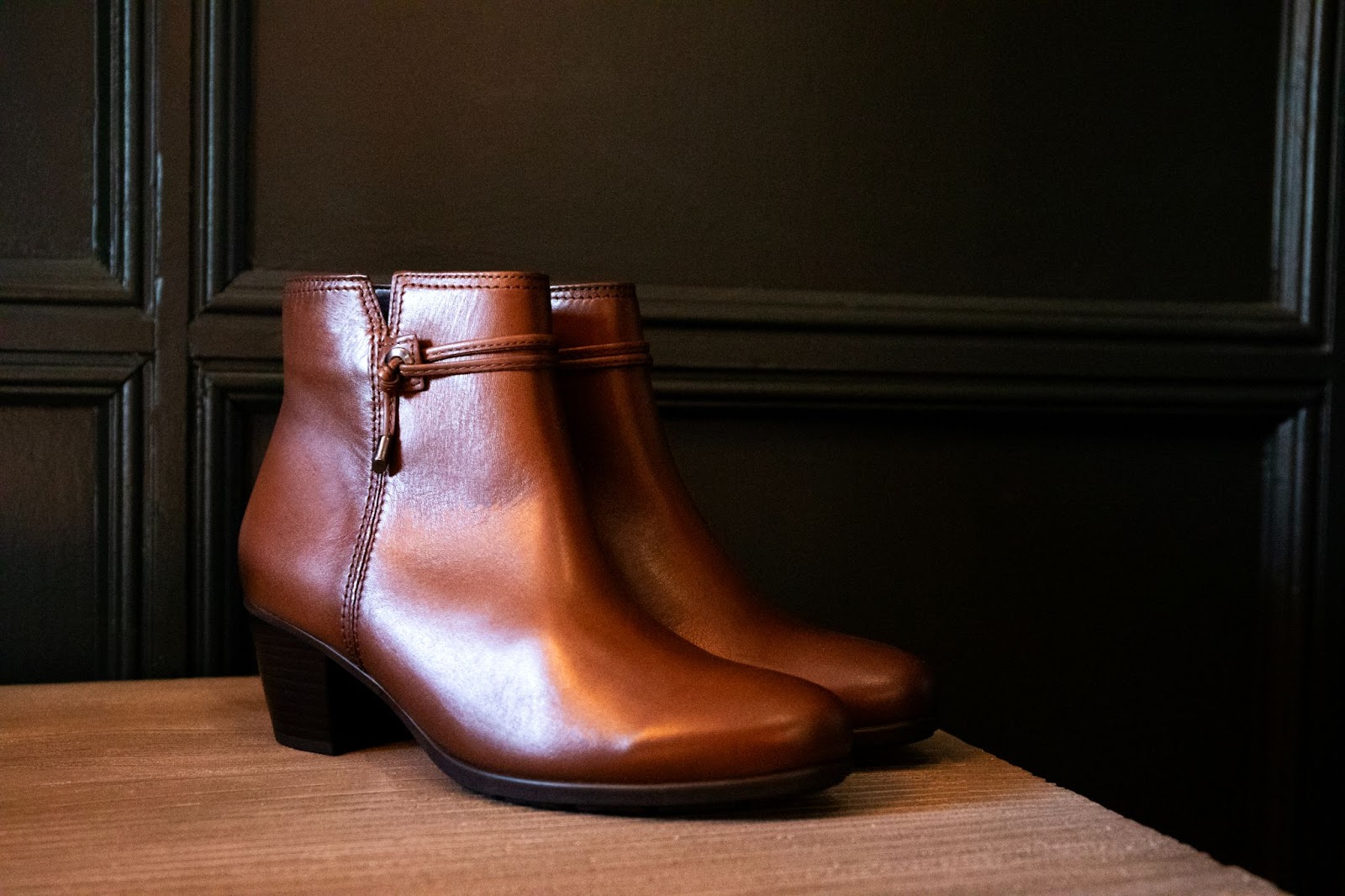
Table of Contents
- What makes leather boots squeak?
- How to make leather boots stop squeaking from the inside
- How to make leather boots stop squeaking from the outside
- How to make leather boots stop squeaking around the laces and tongues
- Leather boots at Gabor
What makes leather boots squeak?
There are several reasons why your new leather boots are squeaking. The fibre structures in leather are prone to expansion and contraction when exposed to certain temperatures, moisture levels and movement. Noises such as squeaking begin as the boots creak, a result of their new environment. Boots of higher quality are somewhat more susceptible to squeakiness due to the extra layers built into them.
As your boot absorbs new weight, the layers of materials between the midsole, welt, and insole will compress and contract. This is a common cause of squeakiness in new boots as they are broken in. Reinforced heel cups are often featured in high-quality boots, which will flex and alter the more the boot is worn and can create squeaks by rubbing against other parts of your boots.
With any footwear, it’s important to get the right size shoe, and this is never more important than with a leather boot. A loose-fitting leather boot can cause great discomfort, and when your sock slips against the leather insole, it can cause squeaking. More pressingly, this can lead to blisters and sore spots on your feet. Always ensure you have the right size leather boots before purchasing.
Squeaking can also come from the outside of the boot, with new soles prone to make noise, especially on smooth surfaces. You may hear some high-pitched noise from your pair of lace-up leather boots, as the tongue can rub against the overlapping sides of the shoe.

How to make leather boots stop squeaking from the inside
The simple solution to stop your new leather boots from squeaking is to break them in. Most boots will get used to their new environment and the weight put on them quite quickly, but there are some instances where the annoying noise persists. If you can identify the source of the noise, it can be a big help in getting rid of it.
When the noise comes from the inside of your leather boots, we have some quick and simple remedies to stop the squeak. If you have talcum powder on hand, then you’re in luck! If your boot has removable insoles, take them out and put talcum powder between the footbed and the inner soles. Your boots should benefit from this added protective layer and keep the noise down. Baby powder, corn starch, or coconut oil are all acceptable alternatives to talcum powder.
It’s important to note that if your brand-new boots are squeaking from the inside, this is most likely a manufacturing error. The sole may not have been glued down properly and has quickly become loose. A brand new pair of boots should come with a warranty, so you can get these faulty boots swapped. Otherwise, take them to a shoe repair shop.

How to make leather boots stop squeaking from the outside
One of the most common squeaking sources from leather boots is simply the outsole, creating friction with the ground. This can happen most commonly on slick surfaces like hardwood, smooth concrete or tile. Lubricating the outsoles of your boots can provide a quick and easy fix by creating a different texture.
Start the lubrication process by cleaning the bottom of your boots. Rub a damp cloth over the outsole and through the crevices, ensuring that most of the dirt is wiped away from the boot. Let your boots air dry or, if you’re in a rush, go over them with a dry cloth or paper towel. Once your boots are dry, run one tumble dryer sheet over each boot. This will lubricate your soles without lessening their grip.
If your issue is that you need extra grip, this method might still result in some squeaking. Add texture to the soles of your boots by rubbing grit sandpaper on the bottom of your boots, scraping them slightly. Ensure your leather boots have been cleaned and fully dried beforehand.
How to make leather boots stop squeaking around the laces and tongues
The most likely reason you’re noticing squeaking from the laces and tongues of your boots is that they’re new. Breaking them in can be the best way to rid the annoyance of the extra noise, but if it sticks around or you simply want it gone as soon as possible, we have a solution.
Leather repair shops and websites tend to stock saddle soap, primarily used to wash and lubricate horse saddles. Remove the laces from your boots and apply the saddle soap to a microfibre cloth. Rub the cloth onto the tongues of the boots and on the interior of the upper (where the eyelets are).

Leather boots at Gabor
Once the squeaking is out of the way, you can return to that feeling of confidence as you roam around in your new, stylish leather boots. If you want to capture that feeling yourself, shop our collection of leather boots at Gabor.
We have a selection of gorgeous boots for women to suit any occasion. Chelsea boots offer a timeless look for smart casual appearances. In contrast, a pair of knee-high boots can make an emphatic statement. Whatever your style, we have a pair of leather boots for you.